
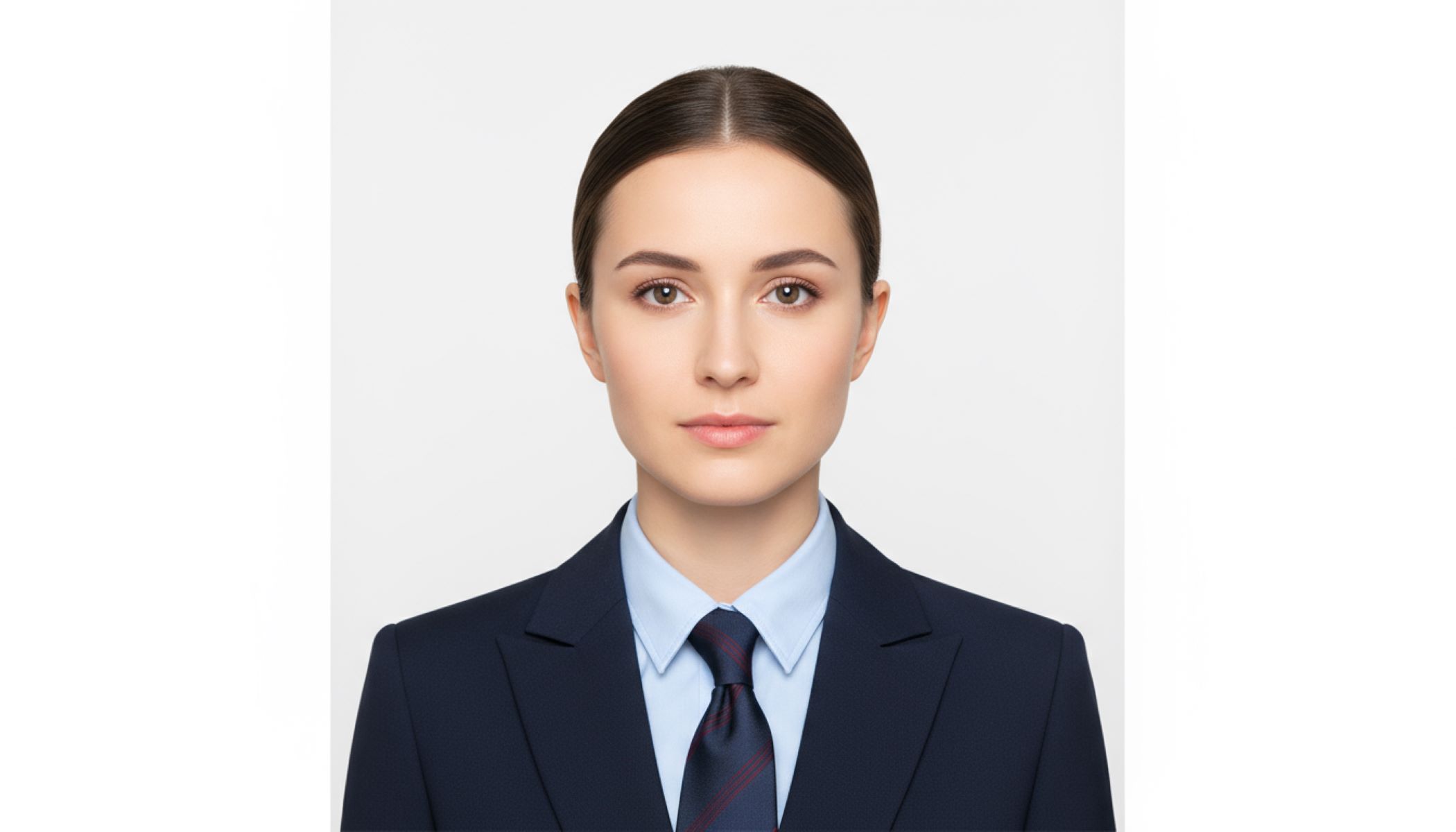
Let’s face it—document photos are rarely glamorous. Whether it’s your passport, driver’s license, or ID card, these snapshots follow you everywhere. But just because the camera doesn’t care about your best side doesn’t mean you can’t shine. Looking good in a document photo isn’t about posing like a model—it’s about using simple tricks to present your best self naturally. Think of it as “passport-ready charm” that makes officials and machines happy.
Understanding the Rules of Document Photography
Before you even think about how to look good in a document photo, it’s essential to understand the rules that govern them. These aren’t just random guidelines; they are carefully designed to ensure your photo meets official standards and is accepted without issues. Each type of document—whether it’s a passport, driver’s license, or ID card—has its own set of specifications. These can include requirements for background color, facial positioning, lighting, and even the type of clothing you wear. Ignoring these rules can result in multiple retakes, wasted time, and sometimes even rejection of your application. Knowing them upfront saves stress and ensures that your photo passes on the first try.
Most guidelines revolve around creating a neutral and clear representation of your face. For instance, a neutral facial expression is critical—you shouldn’t smile widely or frown, as exaggerated expressions can interfere with facial recognition systems. Your eyes need to be fully visible, and while glasses are often allowed, they shouldn’t reflect light or obscure your eyes. The background is usually a plain, light-colored backdrop such as white or gray, designed to keep the focus on your face. Hats or head coverings are generally prohibited, except for religious purposes, and lighting must be evenly distributed to prevent shadows that can distort your features.
While these rules might seem strict or even limiting, they actually serve a very practical purpose. They ensure that your photo can be universally recognized by officials and automated systems alike. For example, neutral expressions and open eyes make it easier for facial recognition software to correctly identify you, reducing the chances of errors during document checks. Even lighting prevents unflattering shadows that can hide facial features, while a plain background keeps the focus entirely on you rather than your surroundings. By following these rules, you’re not just meeting bureaucratic requirements—you’re setting yourself up for a clear, professional-looking photo that represents you accurately.
Once you understand the purpose behind these rules, you can approach your document photo more confidently and creatively. It’s possible to add small touches that enhance your appearance without violating guidelines—like a subtle hairstyle adjustment, neat clothing, or relaxed posture. These little improvements help you look polished while still complying with official standards. Essentially, knowing the rules transforms the process from a stressful chore into an opportunity to present your best self, even in a strict, regulated setting.
Prepping Your Face and Hair
| Step | Purpose | How to Do It | Common Mistakes | Tips for Best Results |
| Cleanse Skin | Remove dirt, oil, and impurities | Use a gentle face wash in the morning before the photo | Skipping cleansing, leaving oil or residue | Use lukewarm water and a soft cloth to avoid irritation |
| Moisturize | Hydrate and create smooth skin | Apply a lightweight, non-greasy moisturizer | Using too much or oily cream that reflects light | Let moisturizer absorb for 5–10 minutes before photo |
| Makeup (Optional) | Conceal blemishes and even skin tone | Apply light foundation or concealer sparingly | Heavy makeup or glitter that looks unnatural | Choose matte products to reduce shine; keep it subtle |
| Hair Styling | Keep hair neat and visible | Brush hair, tuck long hair behind ears, ensure bangs don’t cover eyes | Stray hairs, messy ponytails, or covering forehead | Use a small hair clip or styling cream to tame flyaways |
| Shine Control | Prevent unwanted light reflection | Apply translucent powder to oily areas | Over-powdering causing a dull look | Focus on forehead, nose, and chin for balanced results |
Choosing the Right Outfit
Clothing might seem trivial when it comes to document photos, but it can make a surprising difference in how you appear. The right outfit can enhance your features, create a clean look, and ensure that the focus stays on your face rather than your clothes. When choosing what to wear, it’s not just about style—it’s about colors, patterns, and necklines that photograph well. Here’s a detailed list of considerations for selecting the perfect outfit for any document photo:
- Opt for solid colors: Patterns, stripes, or logos can be distracting and may interfere with the clarity of your photo. Solid colors provide a clean, professional look that keeps attention on your face.
- Choose medium to dark shades: Light backgrounds are common in document photos, so medium to dark colors help create contrast and prevent your clothes from blending in. Navy, burgundy, dark green, or jewel tones usually work well.
- Avoid pure white: While white is classic, it can blend into light-colored backgrounds, causing a washed-out effect. If you prefer lighter tones, soft pastels or muted shades are better alternatives.
- Select simple necklines: Low to moderate necklines, crew necks, or simple V-necks work best. High collars or turtlenecks can make your neck appear shorter and create unwanted shadows.
- Avoid logos, text, or busy graphics: Anything printed on your clothing can draw attention away from your face and may even interfere with facial recognition software in some cases.
- Keep accessories minimal: Large necklaces or scarves can cover parts of your face or neck. Simple earrings or no accessories are safest.
- Consider fit and comfort: Ill-fitting clothes can create unflattering lines or folds. Comfortable clothing that sits well on your shoulders and chest helps maintain a polished appearance.
- Layer wisely: If wearing a jacket or sweater, make sure it doesn’t overwhelm your frame. Lightweight layers with clean lines work best.
- Match the formality: While document photos don’t require professional attire, overly casual clothes like hoodies or tank tops can look messy. Aim for a neat, put-together appearance.
- Test your outfit in natural light: Before taking the photo, stand in front of a plain wall and see how the color and fit look in daylight. This helps catch any unexpected reflections or blending issues.
Mastering Your Expression
Mastering your expression in a document photo is more than just following rules—it’s about presenting yourself in the most approachable, confident way possible. While official guidelines often require a neutral expression, this doesn’t mean you have to look lifeless or unengaged. A well-controlled, subtle expression can make a dramatic difference in how professional and polished your photo appears. Think of your face as a canvas: small adjustments in your lips, eyes, and posture can convey calmness and confidence without violating any regulations.
One of the most effective ways to achieve a flattering look is through the subtle smile trick. This involves a soft, closed-mouth smile that gently lifts your cheeks and relaxes your facial muscles. It’s not a full grin—just enough to prevent your face from looking stiff or tense. This slight adjustment can bring warmth to your expression, make your eyes appear brighter, and create an overall sense of ease in the photo. The key is practicing it beforehand in front of a mirror to find the most natural and comfortable version of your subtle smile.
Relaxation techniques also play a crucial role in achieving a natural expression. Tension in your jaw, shoulders, or forehead can make even the best posture look forced. Taking a few deep breaths before stepping in front of the camera can help release built-up stress and promote a calm demeanor. Additionally, consciously relaxing your jaw, softening your eyes, and slightly lifting your chin can prevent a flat, expressionless look. These minor adjustments may seem simple, but they have a significant impact on the final photo.
Finally, your gaze and head positioning are equally important. Looking slightly above the camera, rather than directly into the lens, can create depth and prevent a blank stare. This small shift in focus makes your eyes appear more engaged and natural. Combined with the subtle smile and relaxed posture, it ensures that your document photo captures a professional yet approachable version of yourself. Mastering your expression is all about balance—adhering to official rules while adding a touch of personality that makes you look confident and authentic.
Eye Contact and Head Position
| Step | Purpose | How to Do It | Common Mistakes | Tips for Best Results |
| Keep Head Straight | Maintain symmetry and proper alignment | Sit or stand with your head level, shoulders relaxed | Tilting head forward, backward, or sideways | Use a mirror to check alignment before stepping in front of the camera |
| Focus Eyes on Lens | Create a natural, engaged look | Look directly at the camera lens, keeping eyes wide open | Looking slightly away, down, or too high | Imagine the camera as a person you’re softly making eye contact with |
| Chin Slightly Lowered | Avoid shadows under the nose and jaw | Lower chin just enough to reveal the neck and avoid shadows | Chin too high, creating elongated features or harsh shadow | Practice slight chin lowering in front of a mirror to find the most natural angle |
| Maintain Relaxed Expression | Ensure facial muscles aren’t tense | Keep jaw relaxed, lips softly closed, and cheeks relaxed | Clenching jaw or overly tight lips | Take a deep breath and relax shoulders before the photo |
| Balance Head and Eyes | Create flattering proportions | Align head, eyes, and camera so face is fully visible | Leaning forward or backward, causing distortion | Step back slightly to ensure full head and shoulders fit within the frame |
Lighting – The Silent Hero
Lighting is often overlooked, but it can completely make or break your document photo. Proper lighting ensures that your facial features are clearly visible, your skin tone looks natural, and there are no distracting shadows that could ruin the image. Even minor adjustments in light positioning can dramatically improve the overall quality of your photo. Here’s a detailed list of considerations and tips for mastering lighting in document photography:
- Prefer natural light whenever possible: Natural daylight provides soft, even illumination that reduces harsh shadows and highlights your face naturally. Position yourself near a window or in a well-lit area for the best effect.
- Use diffused light for indoor setups: If natural light isn’t available, use diffused artificial lighting to mimic the softness of daylight. Avoid direct overhead lights, which can cast unflattering shadows.
- Face the light source directly: Position yourself so that the light hits your face evenly. Front-facing light ensures all facial features are visible and prevents unwanted dark areas or harsh contrasts.
- Avoid backlighting: Never position yourself with the main light source behind you. Backlighting can create silhouettes, obscure facial details, and make the photo unusable.
- Check for shadows on the face: Even small shadows on the forehead, nose, or under the chin can distort your appearance. Adjust the light or your position to eliminate these shadows.
- Use a plain background: A light, solid-colored background works best because it reflects light evenly and doesn’t create distracting shadows. Avoid textured or dark backgrounds that may absorb light unevenly.
- Balance multiple light sources: If using more than one light, make sure they are evenly distributed to prevent one side of the face from appearing brighter than the other.
- Avoid glare on glasses or reflective surfaces: Adjust the angle of your head or the light to prevent reflections from glasses or shiny accessories, which can obscure your eyes.
- Consider time of day for natural light: Morning or late afternoon light tends to be softer and warmer, while midday sun can be harsh and create strong shadows.
- Test your lighting setup: Before taking the final photo, take a few test shots to ensure your face is evenly lit and no distracting shadows or highlights appear.