
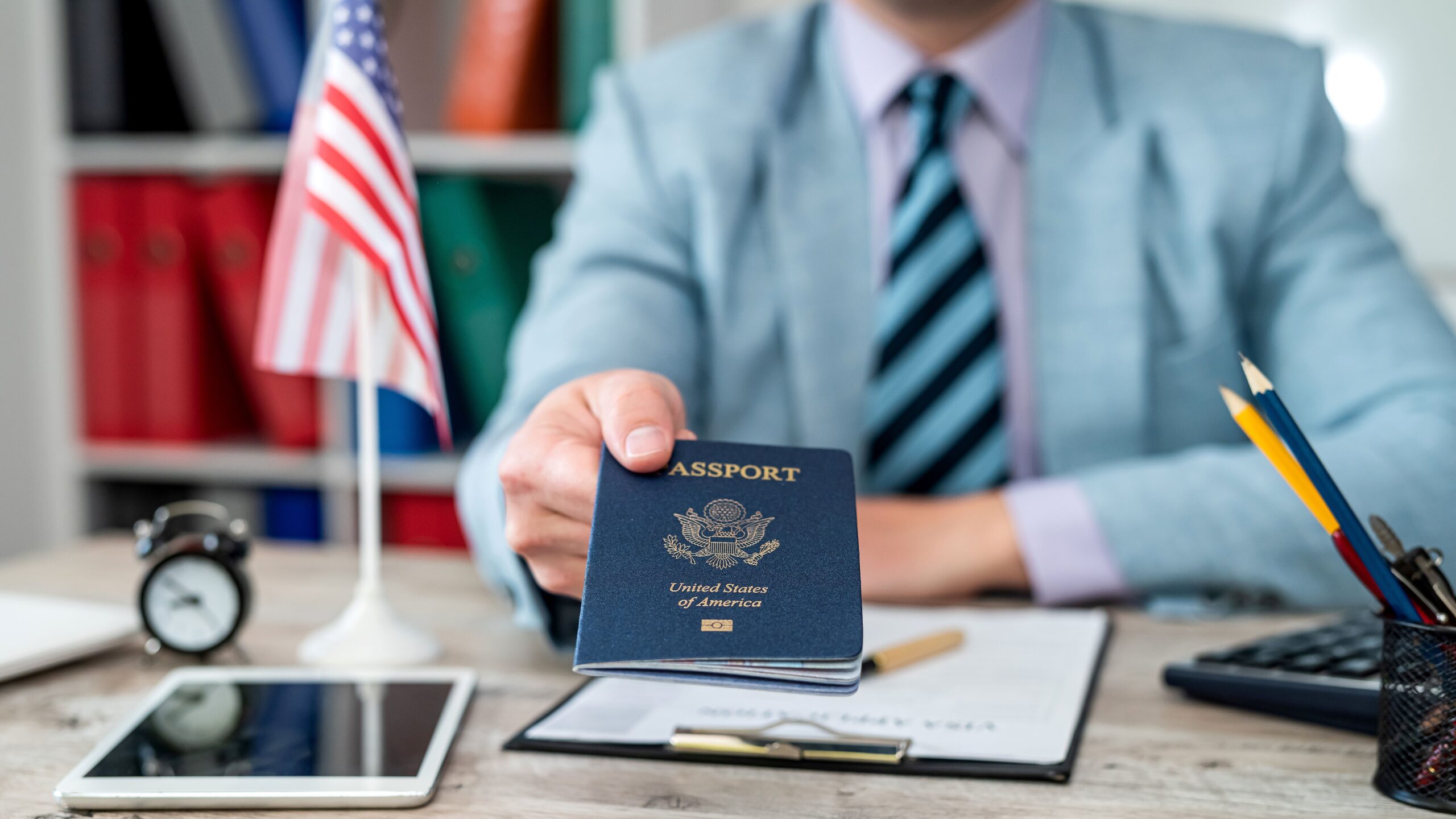
Replacing a passport can feel like navigating a maze—forms, rules, photos, and waiting times all swirling together. But don’t worry! I’ll walk you through the passport replacement process step by step, and clear up all the confusion about which photos are accepted. By the end, you’ll feel like a passport pro.
Why You Might Need a Passport Replacement
Life is unpredictable, and passports, like any essential document, can easily fall victim to unforeseen circumstances. One of the most common reasons people need to replace a passport is because it has been lost or stolen. Losing a passport can happen in the blink of an eye—whether it’s misplaced during travel, left behind in a hotel, or taken by pickpockets. A stolen passport is especially critical to address quickly, as it can be used for identity theft or illegal travel. In such cases, reporting the loss to local authorities and your embassy or consulate is the first crucial step, followed by applying for a replacement to continue your travel plans safely.
Another common scenario is having a passport that is damaged or expired. Over time, the wear and tear from frequent handling, bending, or water exposure can make a passport unusable. Passport authorities require that documents be in good condition, as torn pages, faded information, or missing seals may prevent acceptance at immigration checkpoints. Similarly, passports have an expiration date, and traveling with an expired passport is not only illegal but can also lead to denied entry in many countries. Therefore, proactive replacement before expiration is a vital precaution to avoid travel disruptions.
Changes in personal information also necessitate passport replacement. Life events such as marriage, divorce, or legal name changes require that your passport reflects your current identity. Additionally, updates to gender markers or other legal identifiers must be accurately documented to prevent issues during border crossings or visa applications. Keeping your passport aligned with official records ensures smoother travel and avoids potential legal complications. Some countries may require supporting documentation, such as a marriage certificate or court order, to process these updates, so it’s important to plan ahead.
Lastly, sometimes a replacement is needed simply to meet travel requirements. Many countries mandate that a passport has at least six months of validity beyond your intended stay. Even if your passport isn’t lost, stolen, or damaged, you may need a new one if it’s nearing this threshold. Additionally, travelers seeking longer validity or frequent international travel may opt for a passport replacement to ensure uninterrupted mobility. Understanding these rules ahead of time helps prevent last-minute stress, missed flights, or denied entry, making a timely passport replacement an essential part of travel planning.
Understanding the Passport Replacement Process
Replacing a passport isn’t just about filling out a form. There’s an entire process to follow, and knowing it inside out can save you time, money, and headaches. Here’s a detailed step-by-step list that covers everything you need to know:
- Check Your Eligibility – Before doing anything else, assess whether you qualify for a passport replacement. Consider whether your passport is expired, damaged, lost, or stolen. Also, check if your personal information has changed, such as a name change, gender marker update, or other legal modifications. Keep in mind that if your passport was lost or stolen, additional documentation or reporting may be required before a replacement can be issued.
- Gather All Required Documents – Collecting the necessary documents beforehand can prevent delays. Generally, you will need your current passport (if available), a completed passport application form, proof of identity such as a driver’s license or government ID, proof of citizenship like a birth certificate or previous passport, a police report if your passport was lost or stolen, and the payment for the replacement fee. Making photocopies of all documents is highly recommended to avoid losing critical information during the submission process.
- Complete the Passport Application Form – Filling out the application form correctly is crucial. Use black or blue ink, or type the form if allowed. Double-check all personal details such as your full name, date of birth, and passport number. Ensure that you sign in the designated box—some countries may not accept digital signatures. Rushing this step can lead to mistakes that delay processing, so take your time to get it right.
- Prepare Your Passport Photos – Passport photos have strict requirements because they are essential for identity verification. Accepted photos usually need to be in color, taken within the last six months, have a plain white or light background, show a full face with a neutral expression, and match the size required by your country (often 2×2 inches). Photos that are not accepted include those with sunglasses or tinted glasses, hats or head coverings (unless for religious reasons), shadows or blurred images, and old photos from previous passports. Professional photo services or even online tools can help ensure your photo meets the specifications.
- Submit Your Passport Application – After gathering documents and photos, submit your application through the method available in your country. This could be in person at a passport office, by mail, or via online submission if offered. In-person submissions are generally faster and are often required if the passport was lost or stolen. Make sure you follow the instructions precisely and include all required documents to avoid rejection.
Expedited vs. Standard Replacement
| Replacement Type | Processing Time | Cost Range | Ideal For | Special Requirements |
| Standard Replacement | 4–8 weeks | Usually lower cost, varies by country | Non-urgent travel, routine renewal | Minimal; just standard documents and fees |
| Expedited Replacement | 24–72 hours (may vary by country) | Higher than standard, often 1.5–2x the normal fee | Urgent travel, emergencies, business trips | Proof of urgency, such as flight tickets, medical emergencies, or official travel documentation |
| Standard Replacement | 4–8 weeks | Affordable for most applicants | General passport renewal or replacement due to expiration/damage | No additional documents needed beyond standard application |
| Expedited Replacement | 24–72 hours | Premium fee; may include courier or rush service | Last-minute trips, lost or stolen passport replacement | Additional verification may be required for lost/stolen passports |
| Standard Replacement | 4–8 weeks | Lower administrative cost | Travelers planning ahead with plenty of time | Regular passport photo, identification, citizenship documents |
Common Mistakes to Avoid During Passport Replacement
Even a tiny mistake during the passport replacement process can cause significant delays or even lead to application rejection. One of the most frequent errors is submitting an incorrect photo. Passport authorities are very strict about photo specifications, including size, background, lighting, and facial expression. Using an outdated photo, a photo with shadows, or the wrong dimensions can result in your application being returned, forcing you to redo the process and wait even longer. It’s always better to double-check the requirements or use a professional service to ensure your photo meets official standards.
Another common mistake is forgetting to sign the application form. While it may seem minor, a missing signature is considered a critical error in most countries. Many applicants rush through the form or assume digital signatures are acceptable when they are not, only to find out later that this oversight has stalled their passport replacement. Similarly, failing to provide the required proof of identity or citizenship can create major complications. Passport offices need to verify your identity thoroughly, and missing documents like a birth certificate, government-issued ID, or previous passport can result in delays or even outright rejection.
Submitting a damaged passport as part of the replacement application is another area where applicants frequently stumble. While minor wear and tear is usually acceptable, heavily damaged pages, torn covers, or missing information can confuse the verification process. In some cases, passport authorities may require additional proof or may refuse the replacement entirely until the damaged document is properly accounted for. Ensuring your passport is in reasonable condition—or clearly explaining the damage when applying—is key to avoiding unnecessary delays.
Finally, many travelers overlook the importance of checking travel deadlines and expiry dates when applying for a replacement. Planning a passport replacement too close to a trip can lead to missed flights, denied visas, or additional fees for expedited processing. Even if all documents and photos are perfect, not accounting for processing times or application deadlines can turn what should be a simple task into a stressful ordeal. Think of the passport replacement process like baking a cake: one missing ingredient or misstep can throw off the entire outcome, so attention to detail is essential.
Tips for a Smooth Passport Replacement
- Start the Process Early – Don’t wait until the last minute. Passport replacement can take weeks, and delays can happen due to high demand, holidays, or additional verification checks. Starting early gives you enough time to gather documents, get photos done correctly, and handle any unexpected issues without stress.
- Create a Complete Checklist – Before beginning your application, make a detailed checklist of everything you need. Include documents like your current passport, proof of identity, proof of citizenship, passport application form, payment method, and recent passport photos. A checklist ensures that you don’t overlook anything critical, saving you time and preventing multiple trips to the passport office.
- Double-Check Forms and Information – Carefully review all details on your application form. Check for spelling errors, correct dates of birth, accurate passport numbers, and proper signatures. Even a small typo can lead to processing delays or rejection, so take the time to verify every piece of information before submission.
- Make Copies of All Documents – Always keep photocopies or digital copies of every document you submit. This includes your old passport, identification, proof of citizenship, and payment receipts. Copies are invaluable if something gets lost during the process, and they can speed up re-submissions or verification requests.
- Organize Your Photos Properly – Ensure that your passport photos meet all official requirements, including size, background, and facial expression. Label them clearly and keep them in a safe place until submission. Misplaced or incorrect photos are a common reason for delays.
- Keep Tracking Numbers and Receipts Handy – If you submit your application by mail or online, retain any tracking numbers, confirmation receipts, or reference numbers. These details allow you to monitor the progress of your application and provide proof of submission in case any issues arise.
- Plan for Contingencies – Unexpected problems can occur, such as missing documents, rejected photos, or delayed processing times. Have a backup plan, like knowing where your nearest passport office is or being ready to request expedited service if necessary.
- Stay Informed About Requirements – Passport rules can change depending on your country or travel destination. Keep up to date with official government guidelines to avoid submitting outdated forms or non-compliant documents.
Understanding International Photo Standards
| Country | Photo Size | Background | Head Position & Expression | Additional Notes |
| USA | 2×2 inches (51×51 mm) | Plain white | Face forward, neutral expression, eyes open | Head must be centered; no shadows; no glasses with tinted lenses |
| UK | 35×45 mm | Light gray or cream | Face forward, eyes open, neutral expression | Ensure face covers 70–80% of the photo; no hats or head coverings unless for religious reasons |
| Canada | 50×70 mm | White | Centered head, neutral expression, eyes open | Must be printed on high-quality photo paper; no digital enhancements |
| Australia | 35–40 mm width / 45–50 mm height | White or light gray | Front-facing, neutral expression, eyes visible | Head must be fully visible; no shadows; recommended 35–40 mm head height |
| Germany | 35×45 mm | Light gray or pale blue | Face forward, neutral expression, eyes open | Photos must be recent (within 6 months); no glasses with heavy frames or reflections |
| Japan | 45×45 mm | White | Full face, neutral expression, looking straight at camera | Must have uniform lighting; no shadows on face or background |
| India | 51×51 mm (2×2 inches) | White | Head and shoulders visible, neutral expression, eyes open | Photos must be recent; digital and printed versions may be required for online and offline submissions |
| France | 35×45 mm | Light gray | Face centered, neutral expression | Head height must be 32–36 mm; avoid shadows and excessive makeup |
| Brazil | 50×70 mm | White | Face forward, neutral expression, eyes open | Photos must be printed on high-quality photo paper; recent within 6 months |
When to Replace Your Passport Before Expiry
Sometimes replacing a passport isn’t about it being lost, stolen, or damaged; instead, upcoming travel plans can require an early renewal. Many countries enforce strict rules about passport validity, often requiring that a passport be valid for at least six months beyond the traveler’s intended entry date. This means that even if your passport still has time left before its official expiration, it may not be accepted for international travel. Planning ahead and replacing your passport before it reaches this threshold can prevent last-minute complications at airports or immigration checkpoints.
Visas and other travel authorizations can also drive the need for early passport replacement. Some countries issue visas only if your passport has a certain minimum validity, often six months or more, to avoid situations where the passport might expire during your trip. If your current passport doesn’t meet these requirements, applying for a replacement in advance ensures you can secure your visa without delays. For frequent travelers, early replacement is also a practical way to maintain flexibility for unplanned trips.
Legal or personal changes can be another reason for early passport replacement. Life events such as marriage, divorce, or other legal name changes require your passport to reflect your current information accurately. Failing to update your passport in these situations can create problems during travel or when applying for visas. Some countries also allow updates to gender markers or other legal identifiers, and having a passport that reflects your current legal status is critical for avoiding unnecessary delays or complications.
Finally, even if none of the above situations apply, it’s better to err on the side of caution. Airlines and immigration authorities are often strict, and a passport that’s close to expiration can lead to denied boarding or entry. Replacing your passport early provides peace of mind and ensures that your travel plans are not disrupted. Think of it as a safety net: investing a little time and effort now can prevent significant stress and extra costs later.